
Strategic asset management · ISO 55000 series
Develop and embed strategic asset management capability.
Get more value from the assets you already own before building new ones. AssetEnable helps governments and asset-owning organisations support long-term investment planning, improve the quality of asset information and enable data-led decisions, in line with the ISO 55000 series and the GFMAM Asset Management Landscape.
Free · 60 minutes · Live on Thursday 19 November, 9:30am or 3:30pm London · Recording for every registrant
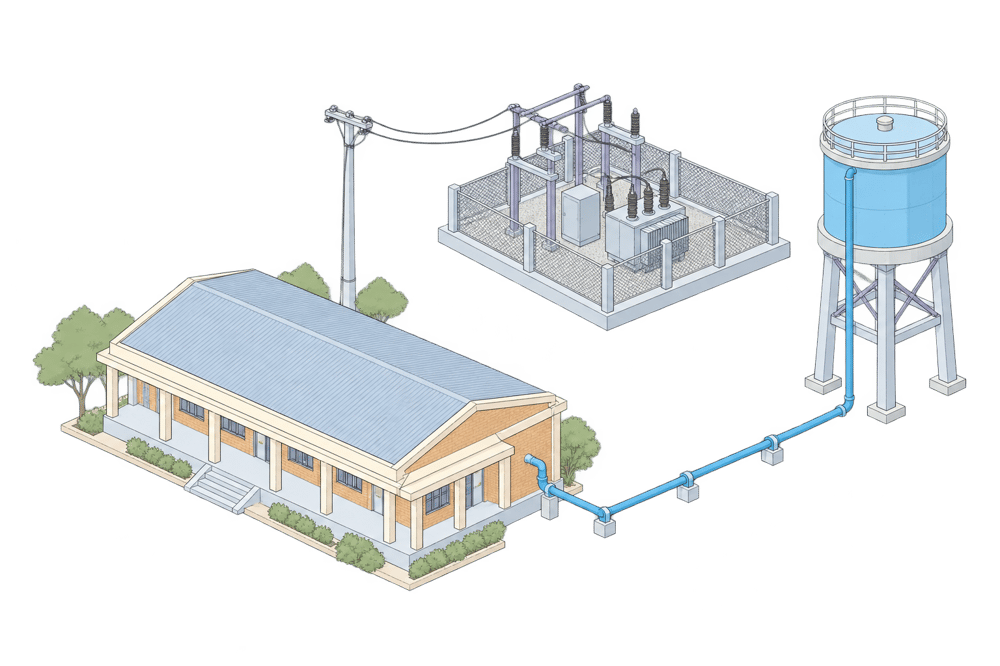
A system of systems
Nature, infrastructure and services, connected by trusted information
Economic and social infrastructure sits within the natural environment and exists to deliver services to people. Digital twins and good asset information connect these systems, so decisions on policy, strategy and asset plans deliver better outcomes for communities, the economy and nature.

What is an asset? What is asset management?
Getting the most value from the things you own
An asset is an item, thing or entity that has potential or actual value to an organisation. Asset management is the coordinated activity of an organisation to realise value from its assets.
Definitions from ISO 55000, the international standard for asset management.
Assets can be physical or digital, and today they are increasingly linked as cyber-physical systems: sensors, control systems, data and software are part of how bridges, networks, buildings and plant perform. We help governments, infrastructure owners and anyone with a large asset portfolio to manage their physical and digital assets strategically, in combination, balancing performance, cost and risk across their whole life. Your data and information are assets too: they need owners, standards, quality checks and investment, just like the assets they describe.
An asset
Something of value to your organisation. It can be physical, natural or digital.
- A bridge, road or railway
- A school, hospital or office
- A pump, boiler or substation
- A woodland, river or reservoir
- A dataset, software or licence
An asset system
A set of assets that interact or are interrelated to deliver a service. The value comes from the system, not from each piece on its own.
Example: a water network is reservoirs, treatment works, pumps, pipes and sensors, joined by the data that ties them together.
Asset management
Deciding what to acquire, operate, maintain, renew or dispose of, balancing cost, risk and performance so your assets support your organisational objectives.
Standard to follow: the ISO 55000 series.
Four fundamental principles
Value
Assets exist to deliver value to the organisation and the people it serves, and that value takes many forms.
Alignment
Every asset decision traces back to the organisation's objectives, turning strategy into plans and action.
Leadership
Good asset management needs clear leadership and a culture that supports it at every level.
Assurance
You can show, with evidence, that assets are fulfilling the purpose they are needed for.
Our experience
Large-scale, national transformation programmes, delivered
Our team has led and advised transformational asset management programmes for national governments, treasuries and critical infrastructure owners, from policy and strategy through to the digital asset registers, information and enabling technologies that make change stick.

Policy and strategy
Strategic asset management policy
Developing national and organisational asset management policy, strategy and the strategic plan for asset management, aligned with ISO 55001 and ISO 55011.

Resilience
National-level resilience programmes
Asset criticality and resilience programmes for mission-critical infrastructure, linking business continuity, climate adaptation and hazard exposure to investment decisions.
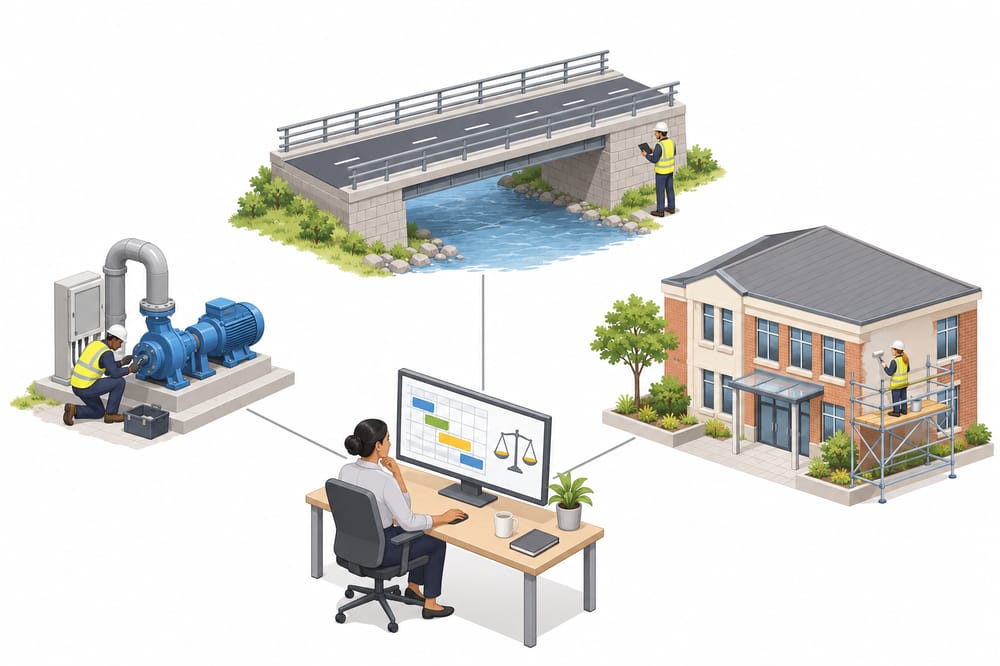
Maintenance
Asset management and maintenance strategies
Asset management plans and maintenance strategies that balance performance, cost and risk, and target renewals where they deliver the most value.
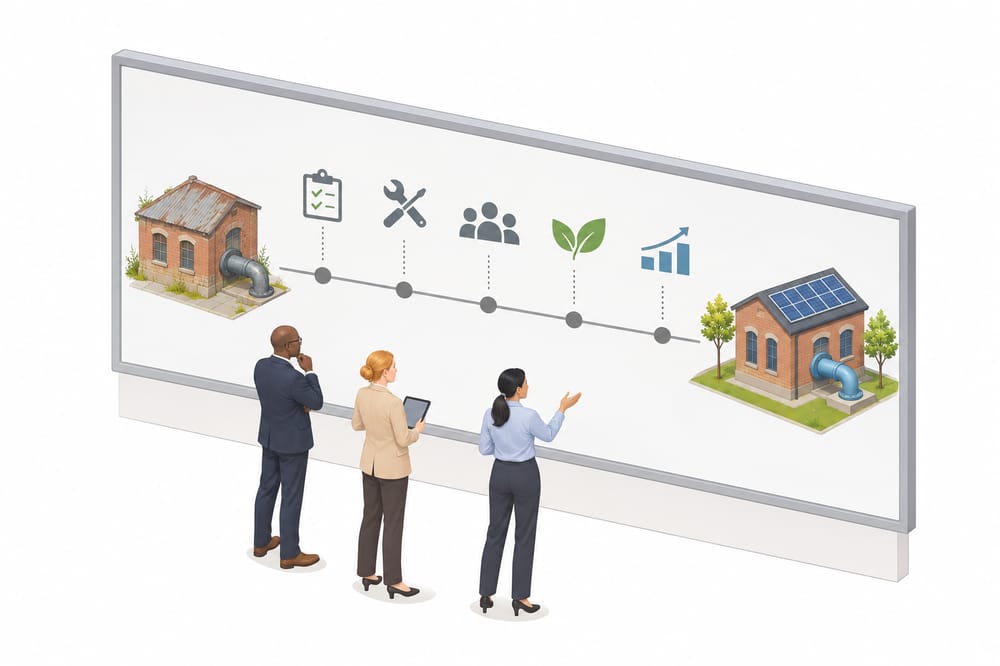
Change
Roadmaps for change
Gap analyses and practical, prioritised roadmaps that move organisations from where they are to where they need to be, with the people and governance to sustain it.

Asset registers
Digital asset registers
Creating national and organisational digital asset registers for governments, treasuries and infrastructure owners. How we build a trusted register.

Enabling technology
Geospatial, digital twins and BIM
Using geospatial solutions, digital twins and building information modelling as enablers, applying international best practice and standards to maintain high-quality asset information.
14+
Years in information and asset management
100s
Organisations advised
1000s
People trained
3
Regions: EMEA, AMER and APAC
Make the most of what you already own
The biggest opportunity is the assets you already have
Building new is not always the answer. Governments already hold vast portfolios of land, property and infrastructure. Knowing what you own, its condition, criticality and performance, and managing it well over its whole life, often releases more value, resilience and service than new construction.
- Trusted asset information for whole-life decisions
- Long-term investment plans linked to levels of service
- Greater resilience to disasters, disruption and changing demand
- Evidence-based business cases for investment and renewal
$101tn
Public sector assets held by 31 countries, about 219% of their GDP, including buildings, land and infrastructure.
IMF Fiscal Monitor, October 2018
3% of GDP
Extra revenue a year that better management of public assets could earn, more than advanced economies pay in debt interest.
IMF, A Global Picture of Public Wealth, 2019
$390bn
Yearly cost to households and firms in low- and middle-income countries from infrastructure disruption, including poor maintenance and mismanagement.
World Bank and GFDRR, Lifelines, 2019
$4 for $1
Average benefit from each dollar invested in more resilient infrastructure. The first recommendation: get the basics of management and maintenance right.
World Bank and GFDRR, Lifelines, 2019
What you need to achieve
Capability, investment planning, asset information and decisions
Most organisations come to us with the same brief: develop and embed strategic asset management capability, support long-term investment planning, improve the quality of asset information and enable data-led decisions. Each one maps directly to the ISO 55000 series and to the subject groups of the GFMAM Asset Management Landscape and the IAM Anatomy.
01 · Leadership and people
Develop and embed capability
Asset management leadership, organisational arrangements, culture and competence management (ISO 55012), so strategic asset management becomes how your organisation works, from the boardroom to the workplace.
02 · Asset management planning
Support long-term investment planning
A Strategic Asset Management Plan (SAMP) that converts organisational objectives into asset management objectives, informed by demand analysis and life cycle value realisation across the whole asset life.
03 · Data and information
Improve the quality of asset information
An asset management data and information strategy, standards and governance (ISO 55013), so your asset register and asset information models are complete, consistent and trusted.
04 · Decision-making and value
Enable data-led decisions
Evidence-based decision-making that balances performance, cost and risk over the short and long term, and demonstrates the value your assets deliver to stakeholders.
Core ISO 55000 concepts
Line of sight and the whole asset portfolio
The ISO 55000 series connects what your organisation needs to achieve with the decisions you make about every asset. These ideas sit at the heart of it, and of our work. Both rest on a trusted asset register and asset information model.

Line of sight
From objectives to plans
Organisational objectives flow into an asset management policy, a strategic plan for asset management and asset management plans, so every intervention and investment traces back to what the organisation needs to deliver.

Asset portfolio
Manage the whole portfolio
Land, property, infrastructure and digital assets managed as one portfolio and as asset systems, so you balance performance, cost and risk across services rather than asset by asset.
Asset registers and asset information
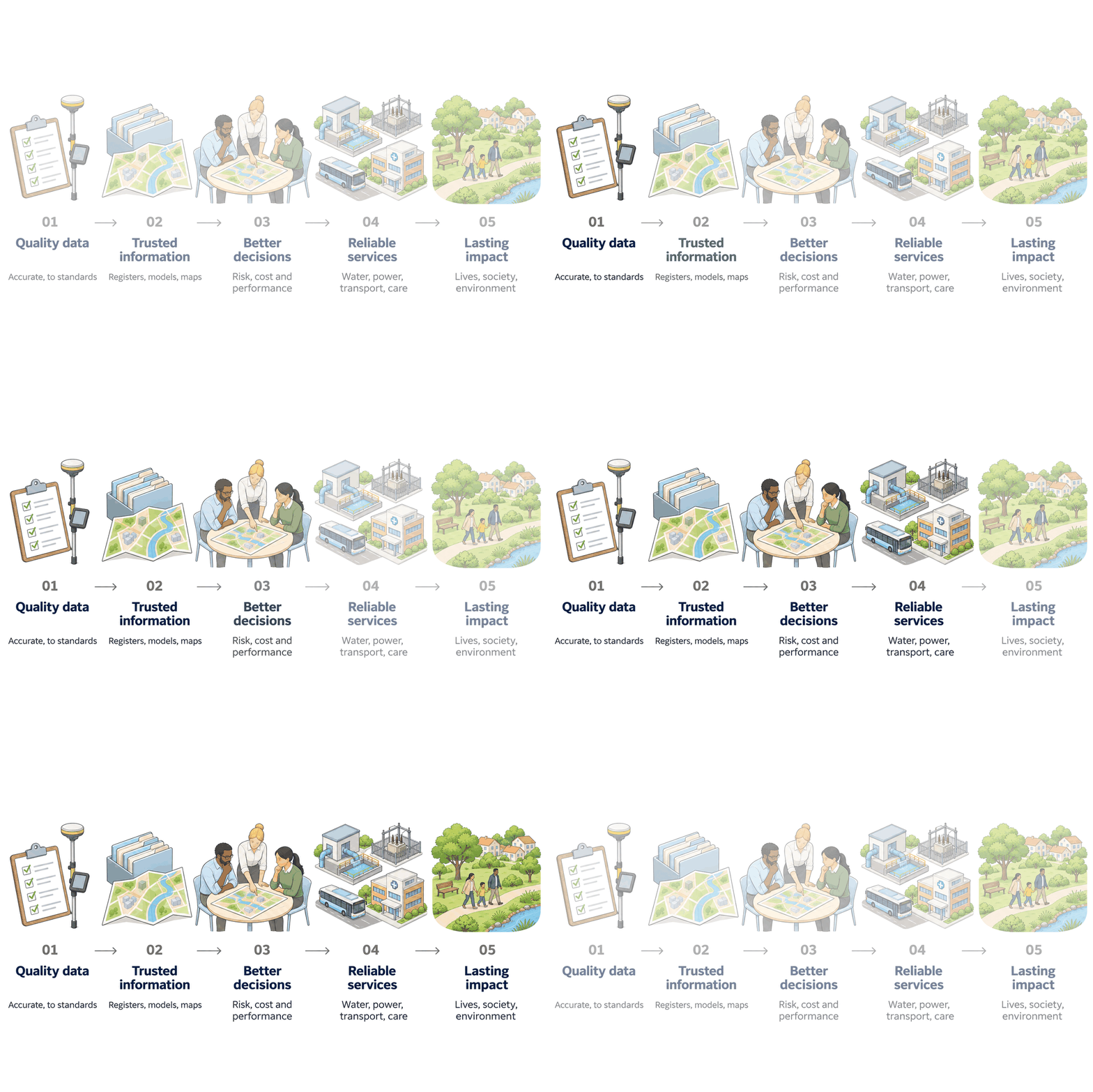
Quality information. Quality decisions. Better lives.
An asset register is far more than a list. When it is complete, accurate and current, it becomes the evidence behind every decision about what to maintain, renew, invest in or dispose of, and those decisions shape the services people rely on, their lives, society and our environment. We have built and improved asset registers for national governments, treasuries and infrastructure owners.
01
Trusted register
What you own, where it is, its condition, criticality, performance and value, held once and governed well.
02
Quality information
Information kept to a high quality using international best practice, including ISO 55013, ISO 8000 and ISO 19157-1.
03
Quality decisions
Evidence-based choices on maintenance, renewal and investment, balancing performance, cost and risk.
04
Better outcomes
Reliable services, safer communities, resilient infrastructure and a healthier environment. How outcomes are measured.
How we deliver · The AssetEnable ENABLE Pathway™
Six stages from the assets you own to the value they deliver
Every engagement, course and support tier follows the same clear path: Envision, Navigate, Assemble, Blueprint, Leverage, Embed. It is a cycle, not a one-off project, because strategic asset management keeps improving. You can start at any stage and we meet you where you are.
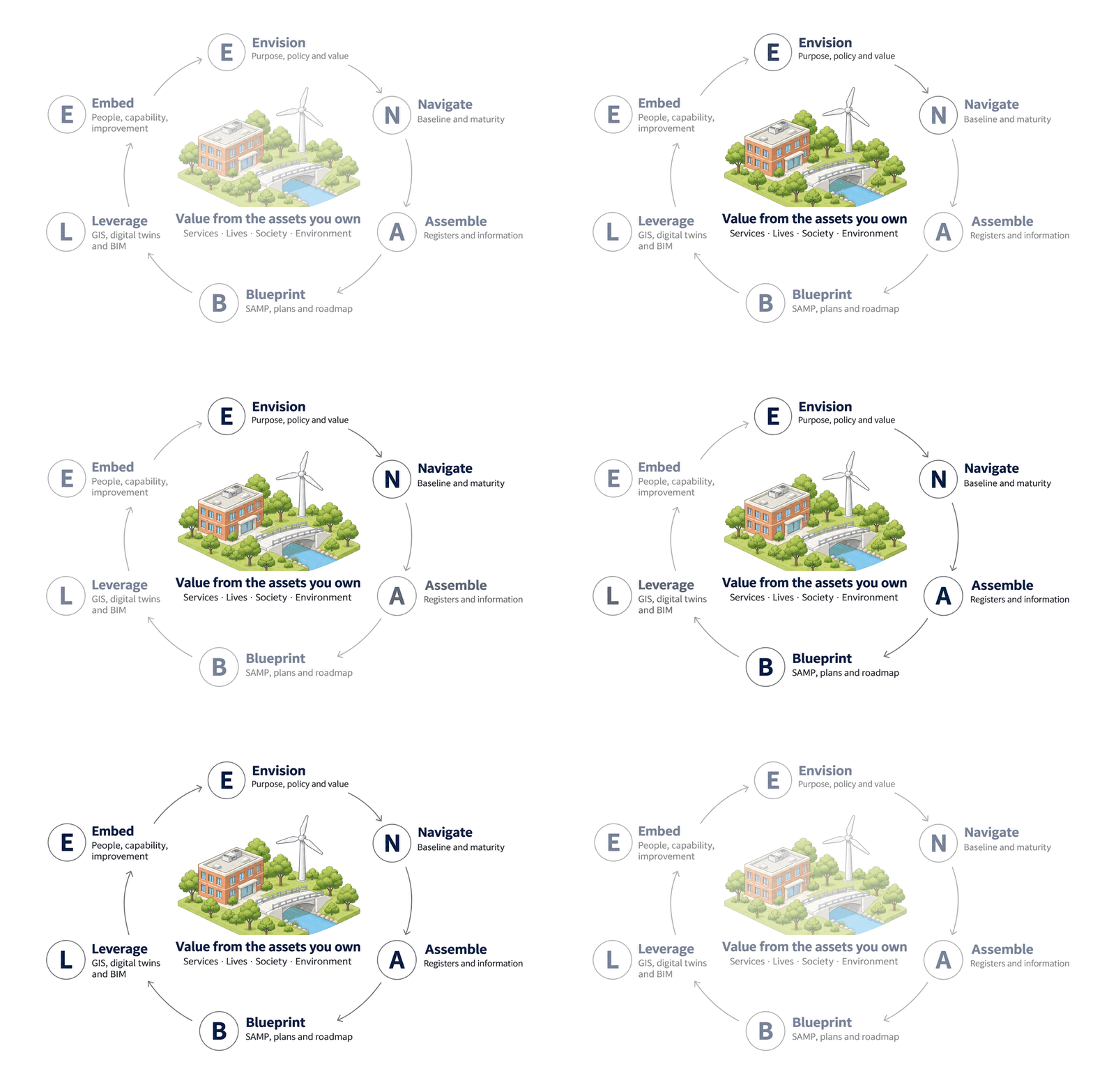
01 · Envision
Purpose, policy and value
Agree what your assets are for, the outcomes and levels of service you need, and an asset management policy and objectives with clear line of sight to services.
You get: asset management policy and objectives aligned with the ISO 55000 series.
02 · Navigate
Baseline and maturity
Profile where you stand today against ISO 55001 and the GFMAM Asset Management Landscape, including digital twin maturity using ISO/IEC 30186.
You get: a maturity baseline, gap analysis and priorities.
03 · Assemble
Registers and information
Bring fragmented data together into a trusted asset register and asset information model aligned with the ISO 19650 series and ISO 55013, with consistent classification and location.
You get: asset register, information requirements and a data quality plan.
04 · Blueprint
SAMP, plans and roadmap
Develop the Strategic Asset Management Plan, asset management and maintenance strategies, and a prioritised roadmap for change linked to long-term investment planning.
You get: SAMP, asset management plans and a roadmap for change.
05 · Leverage
GIS, digital twins and BIM
Use geospatial mapping, digital twins and BIM to see relationships, risk, vulnerability and patterns of poor condition, so renewals and maintenance go where they matter most.
You get: GIS views, criticality and risk insight, and practical use cases.
06 · Embed
People, capability, improvement
Build competence, governance and performance review so strategic asset management becomes how your organisation works, and keeps improving.
You get: courses, coaching and a continual improvement cycle.
Trusted across government and industry
What governments and partners say about our work
The team behind AssetEnable has advised whole-of-government departments, national treasuries, critical national infrastructure operators and major asset owners, including on World Bank programmes across Europe, Latin America and Asia-Pacific.
“
A direct and meaningful contribution to our asset management work with subnational governments: recommendations grounded in ISO 55000 and adapted to each state's institutional and legal realities. The work on asset registration and management standards has directly shaped the approaches these governments are now taking forward.
Public Sector Specialist, Governance Global Practice
World Bank · Brazil
“
Senior-level competence in strategic asset management leadership, policy development and national reform: strategic asset management policies aligned with ISO 55001, national public asset registers, and practical roadmaps to improve the governance, performance and value of public assets.
Senior Governance Specialist
World Bank · Serbia, Estonia, Brazil, Philippines
“
Characterising the criticality of public assets against typhoons, and training treasury staff, made a strategic contribution to the national asset registry, and to the policy, governance and implementation of public asset management.
Senior Lecturer, Civil and Systems Engineering
Johns Hopkins University · World Bank programme, Philippines
“
Strategic thinking that produced excellent outcomes in the early stages of a large-scale programme, winning over senior leaders and influencing a wide range of stakeholders, so the work stood on strong foundations.
Chief Data Officer, Government Property
Cabinet Office, UK Government
“
Technical excellence and strategic vision for GIS, pushing to fully integrate geospatial information into existing systems so delivery teams on the London Underground network gained real benefit.
Senior manager
Tube Lines · London Underground, now part of Transport for London
“
Embedded as interim Head of Asset Management to create an asset management function and deliver a roadmap for alignment with ISO 55001. Recognised internationally for whole-life asset management of physical and digital assets.
Technical Director
WSP
“
Course materials on ISO 19650 that were fantastic, with knowledge and delivery second to none: a subject matter expert we would not hesitate to recommend.
Digital and innovation leader
Bentley Systems · Digital Advancement Academy
“
Delivered the ICE Certificate in BIM in-house for our infrastructure designers: evidently very experienced and qualified, and highly professional in how the course was set up and run.
Civil engineering leader, energy sector
Atkins
“
The gap analysis explored every area of a large and diverse business, and reported back with findings, gaps and, most importantly, an action plan for moving forward.
Design Engineer
Engineering manufacturer · information management gap analysis
Quotes are extracts from references and testimonials for work delivered by the GeoEnable Group team; names are withheld.
Who we have worked with
Governments, infrastructure owners and industry
Governments and public bodies
 UK Government
 Department
for Transport
Department ofHealth &
Social Care
Ministryof Justice
 Ministry
of Defence
Department forEnvironment, Food
& Rural Affairs
Department forCommunities and
Local Government





 Philippines · Bureau of the Treasury
 Brazil · federal government
 Minas Gerais state government
 Serbia · public asset registry
 Estonia · Ministry of Finance
Local authorities





International and multilateral organisations

Transport and infrastructure




Energy



Engineering, consulting and industry



Technology and professional bodies
Organisations the GeoEnable Group team has advised or worked with, directly or through World Bank programmes. Logos and emblems are shown for identification only and do not imply endorsement.
Services · System of systems · Criticality
Every public service depends on a system of assets
Clean water, healthcare, transport, power and digital services are all delivered by assets working together. A pumping station depends on the power network; a hospital depends on water, energy, roads and data. Strategic asset management starts with the service, then looks at the system of systems behind it, so you know which assets matter most, and why.
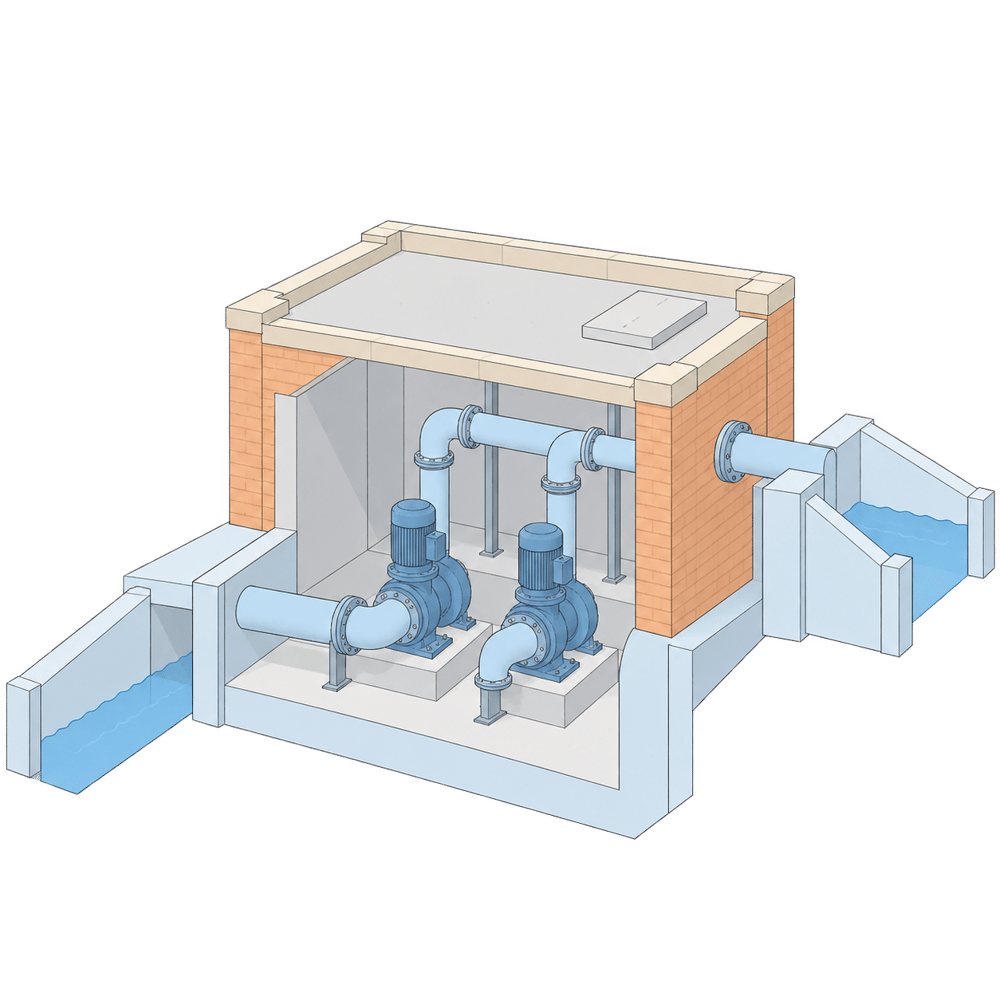
Services that need assets
Start with the level of service
Define the levels of service your communities rely on, then trace each one to the asset systems, assets and asset information that deliver it.

Asset criticality
Know which assets matter most
A critical asset has the potential to significantly impact the achievement of your objectives. Criticality assessment ranks safety-, environment- and service-critical assets, so investment, maintenance and monitoring go where the risk is.

National mission-critical infrastructure
Protect the systems a nation runs on
Energy, water, transport, communications, health and defence are interdependent. We map dependencies across sectors, so a failure in one system doesn't cascade into the next and continuity plans reflect how services really connect.
System of systems thinking: value comes from how assets interact, so risk, resilience and investment decisions are made for the whole system, not asset by asset.
Asset classification and mapping
We specialise in knowing what you own, and where it is
Two things make a large estate manageable. First, classifying every asset in a consistent structure. Second, mapping it, and we mean mapping in two senses of the word.
Asset classification
Classification sorts every asset into a common structure, from asset class and asset system down to individual component, so like can be compared with like across your whole asset portfolio.
A simple example
Water (class) → Pumping station (system) → Pump (asset) → Motor (component)
Property (class) → School (system) → Heating plant (asset) → Boiler (component)

Mapping 01 · Understanding the essence
Map what each asset is for
Map the meaning of your assets: the level of service each one supports, what it depends on, how it connects to other assets, and the value and risk it carries. This is the asset information model behind good decisions.
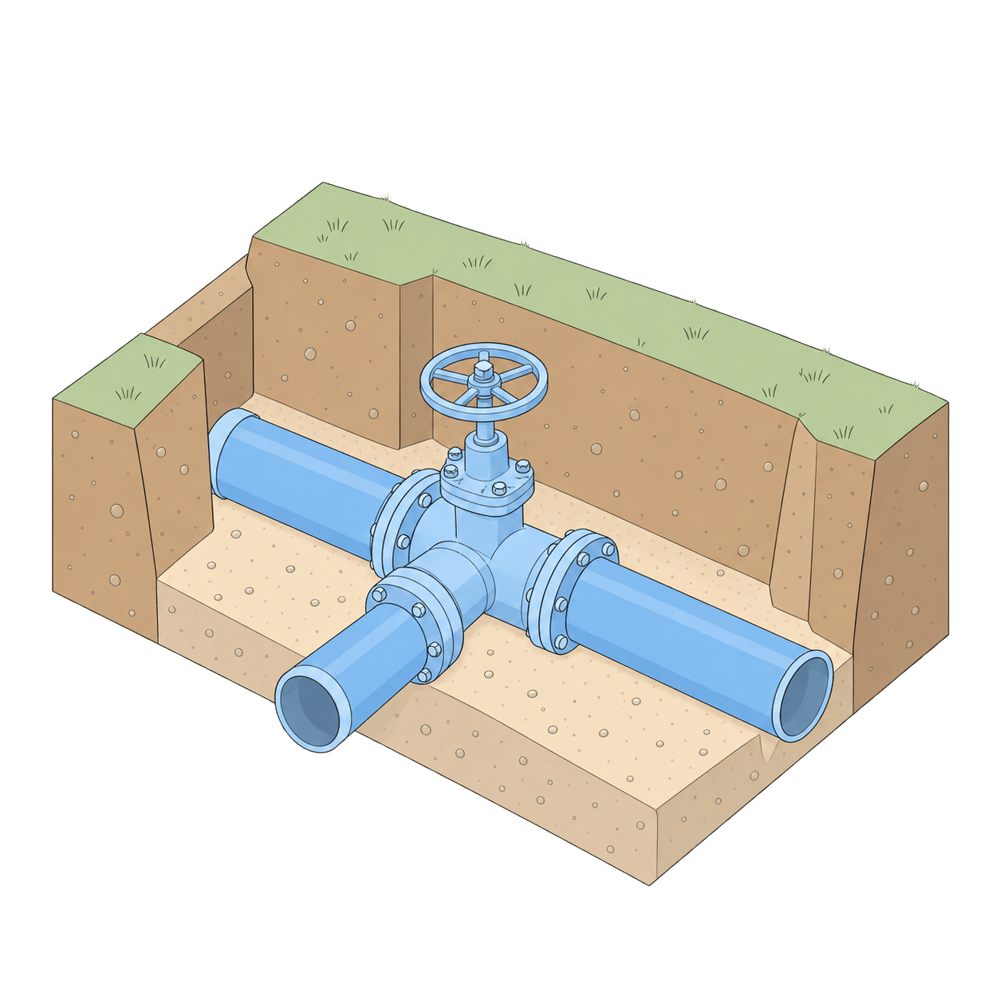
Mapping 02 · Mapping the physical world
Map where every asset is
Locate your assets precisely on a map: where they sit, their boundaries, what surrounds them, and their exposure to flood, heat and other hazards. This is geospatial mapping, the core specialism of the GeoEnable Group: see how we use GIS.
A register tells you what you have. Mapping in both senses tells you what it is for, where it is, and how it all connects.
Geospatial solutions · GIS · Spatial data infrastructure
See every asset in place: its risks, relationships and condition
Geographic information systems turn an asset register into a living map. Mapping assets shows how they relate to one another and to the people they serve, reveals their vulnerability to floods, storms, earthquakes and other natural hazards, and lets you identify risk and visualise clusters and patterns of poor condition, so renewals and strategic maintenance are targeted where they matter most.
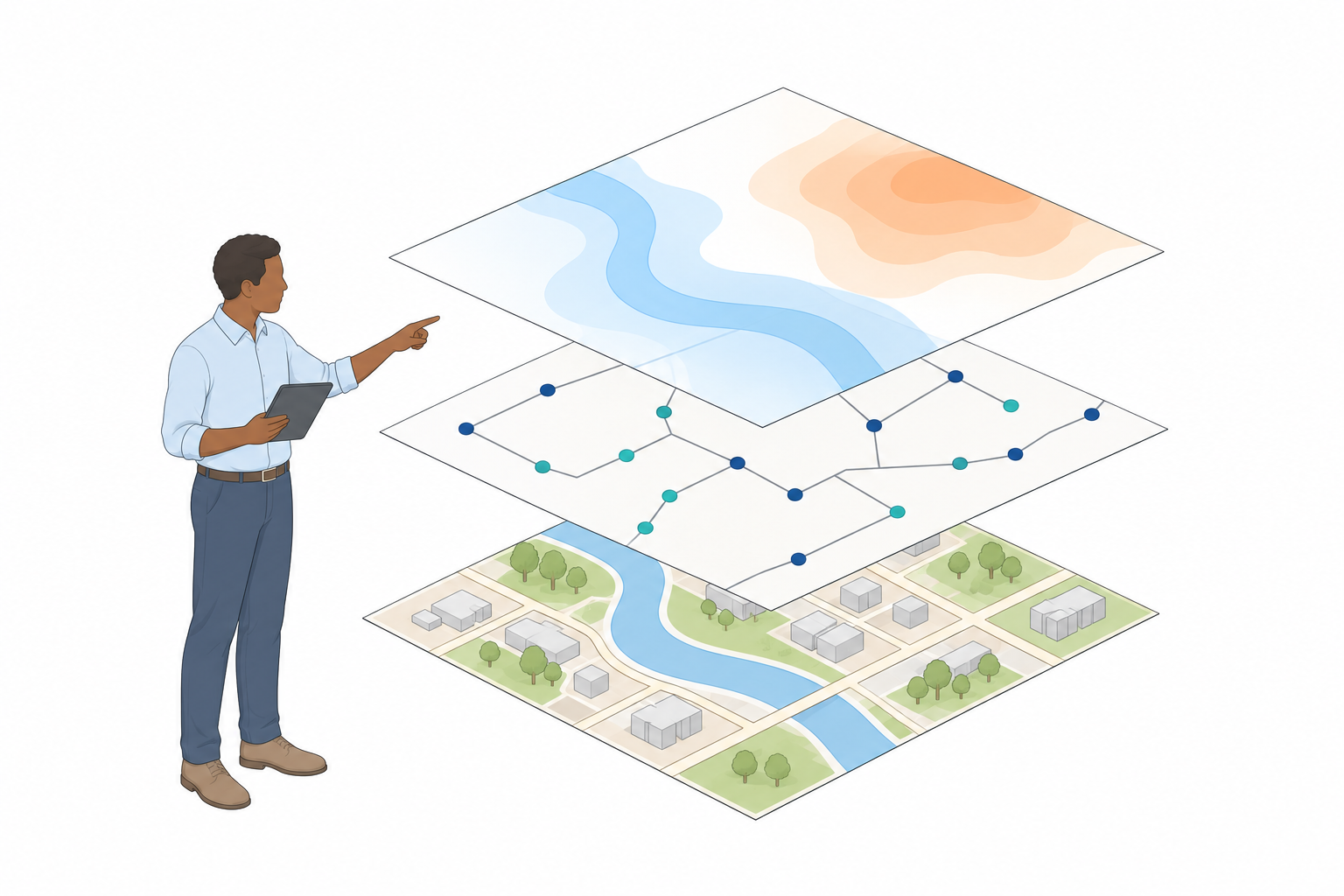
GIS layers
Register, condition and hazard together
Overlay the asset register and condition data on base mapping and hazard layers to see exposure, criticality and patterns of decline across the whole portfolio.
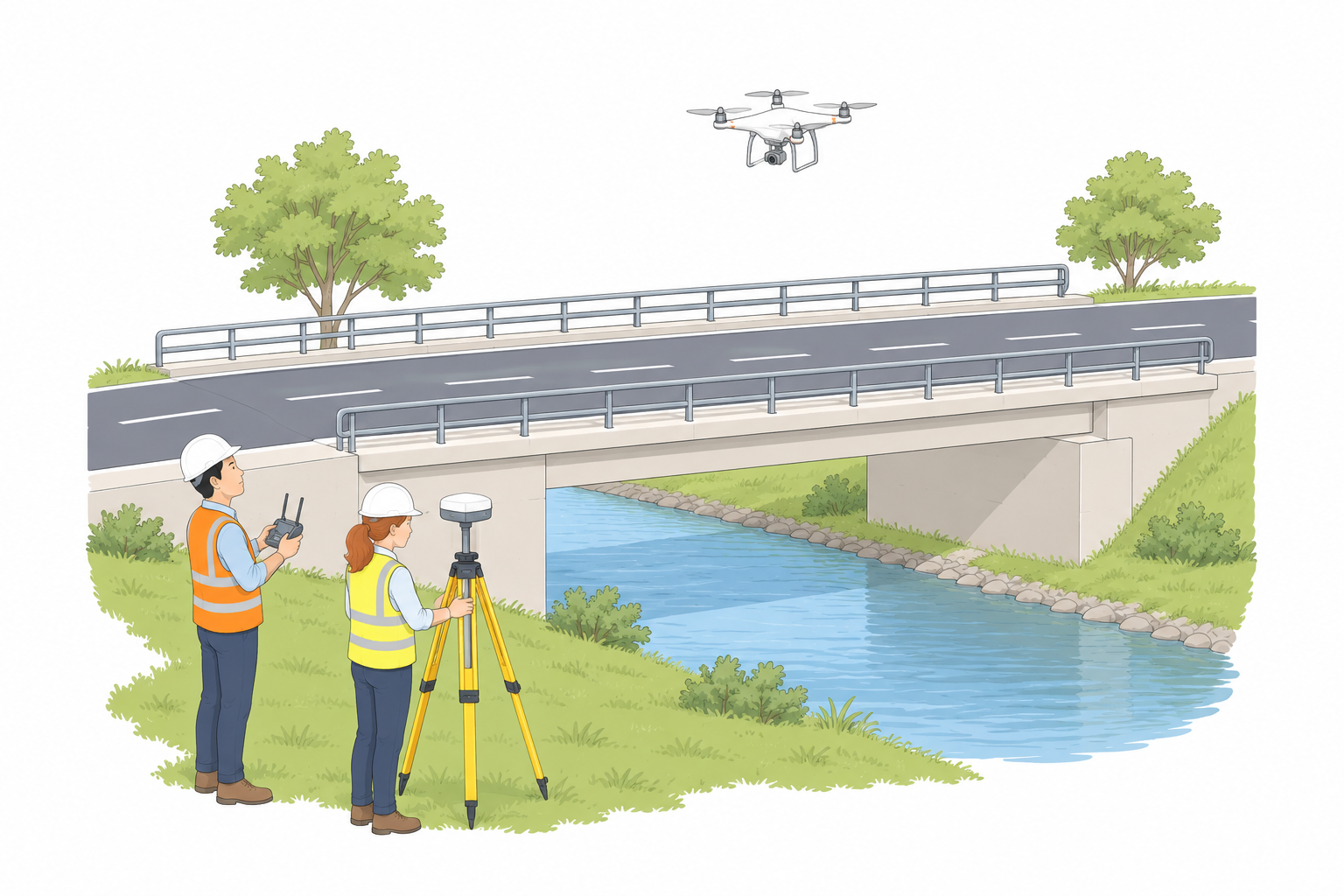
Survey and inspection
Capture condition at scale
Drones, mobile mapping and remote sensing capture the condition of bridges, buildings and networks quickly and safely, feeding the register and the digital twin.
In the field
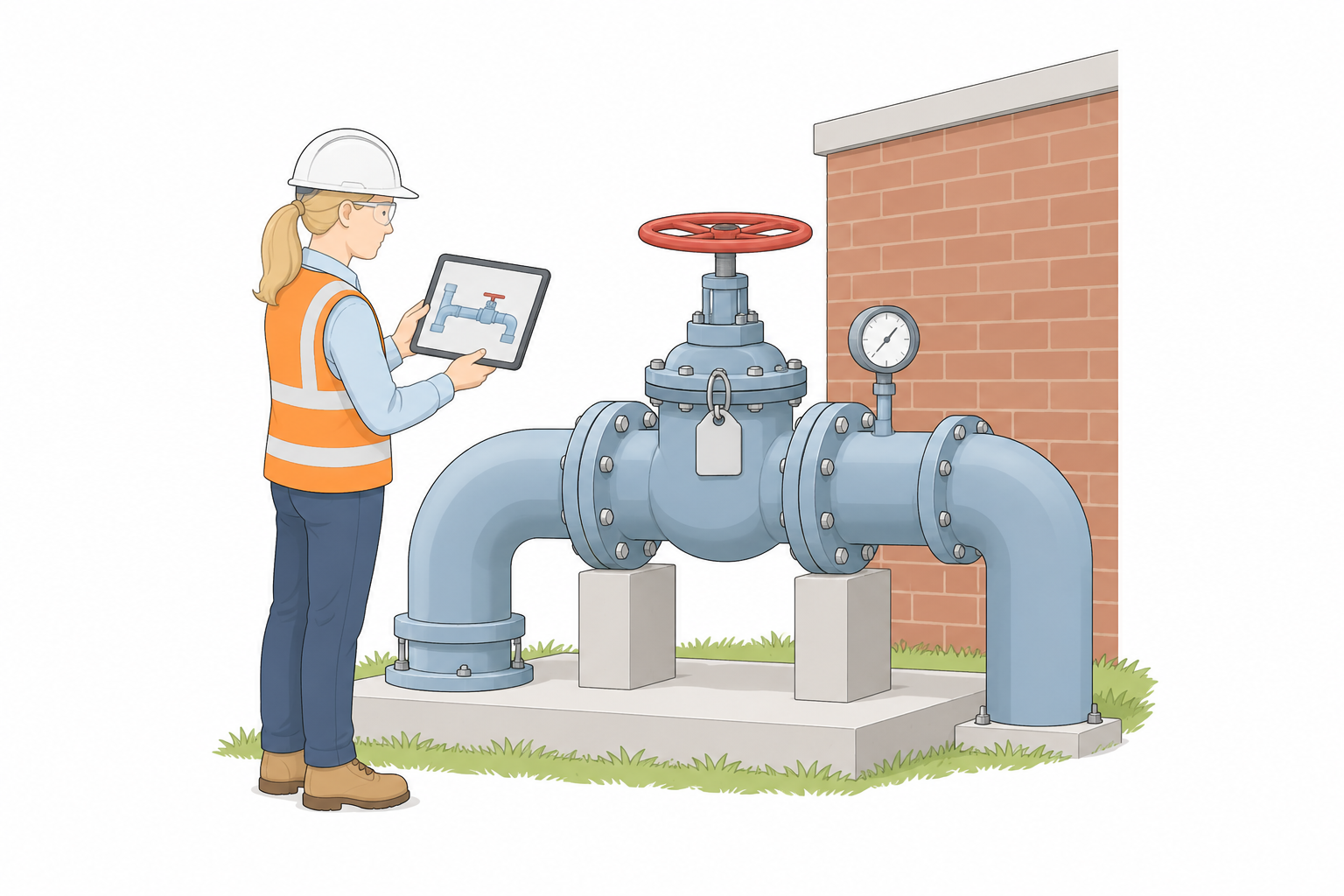
Maintain the register where the asset is
Field teams view, verify and update asset information on handheld devices, so the register, the map and the maintenance plan stay current.
Geospatial and land standards and frameworks we work with

UN-GGIM
Integrated Geospatial Information Framework (UN-IGIF)
The UN framework and nine strategic pathways for developing national geospatial information management and spatial data infrastructure.

UN-GGIM
Framework for Effective Land Administration (FELA)
The UN framework that implements the UN-IGIF for the land sector, recognising people-to-land relationships for land policy, tenure, value, use and development.

ISO 19152-1:2024
Land Administration Domain Model (LADM)
The international conceptual model for parties, rights, restrictions, responsibilities and spatial units, linking land and property records to the asset register.

OGC
Open Geospatial Consortium standards
Open, interoperable standards such as OGC API, GeoPackage and CityGML, so spatial asset data flows between systems, suppliers and digital twins.
ISO 19115-1 · ISO 19157-1
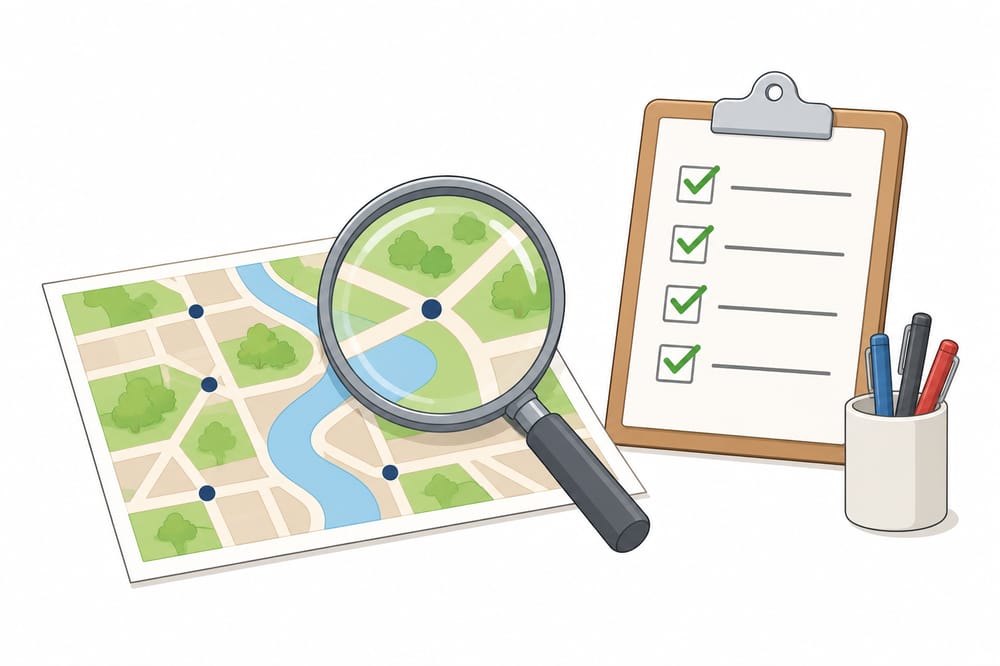
Geographic metadata and data quality
Describing and assuring spatial asset data, with consistent asset taxonomy and classification across the portfolio.

ISO 14055-1:2017
Land degradation and desertification
Good practice for land management to prevent or minimise land degradation, supporting natural capital and climate adaptation decisions.
Asset domains
Across every asset domain you're responsible for
From transport and energy to health, education and natural capital: strategic asset management applied across the whole public estate and the national infrastructure it depends on.
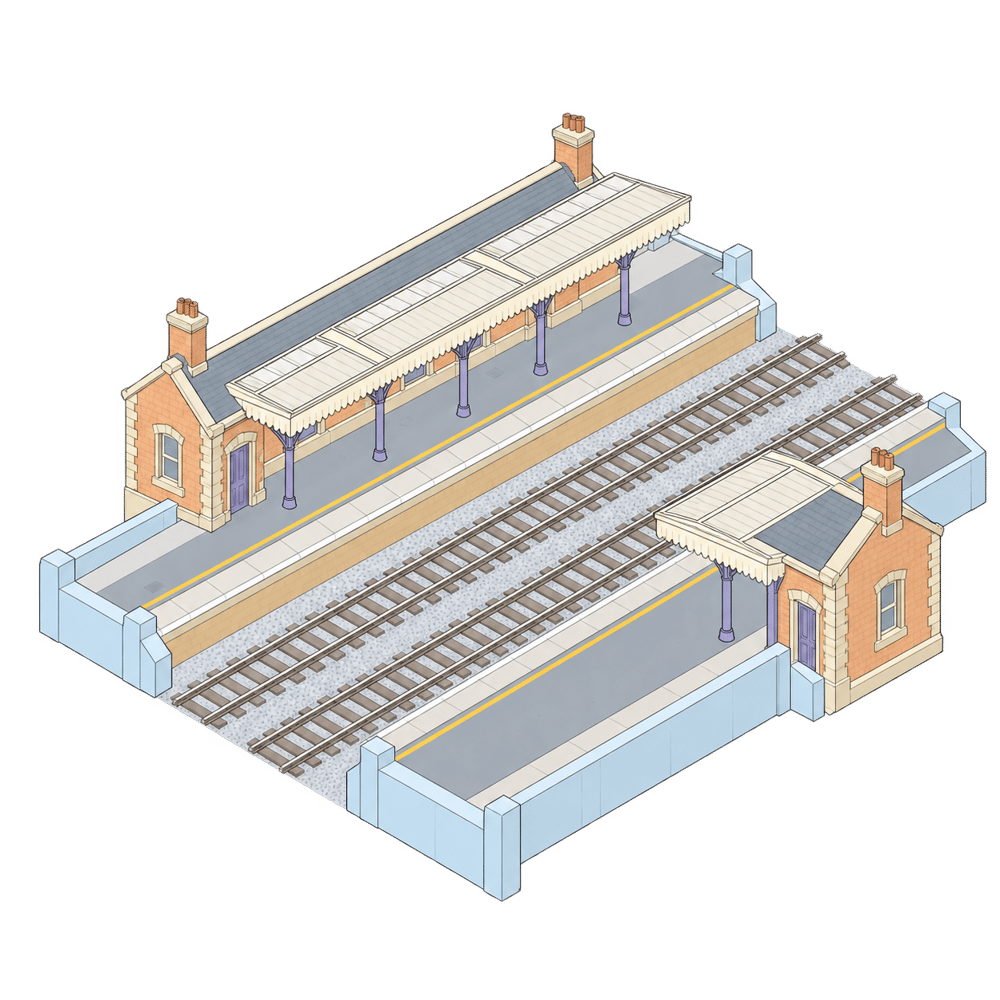
Rail and stations

Highways and bridges

Aviation
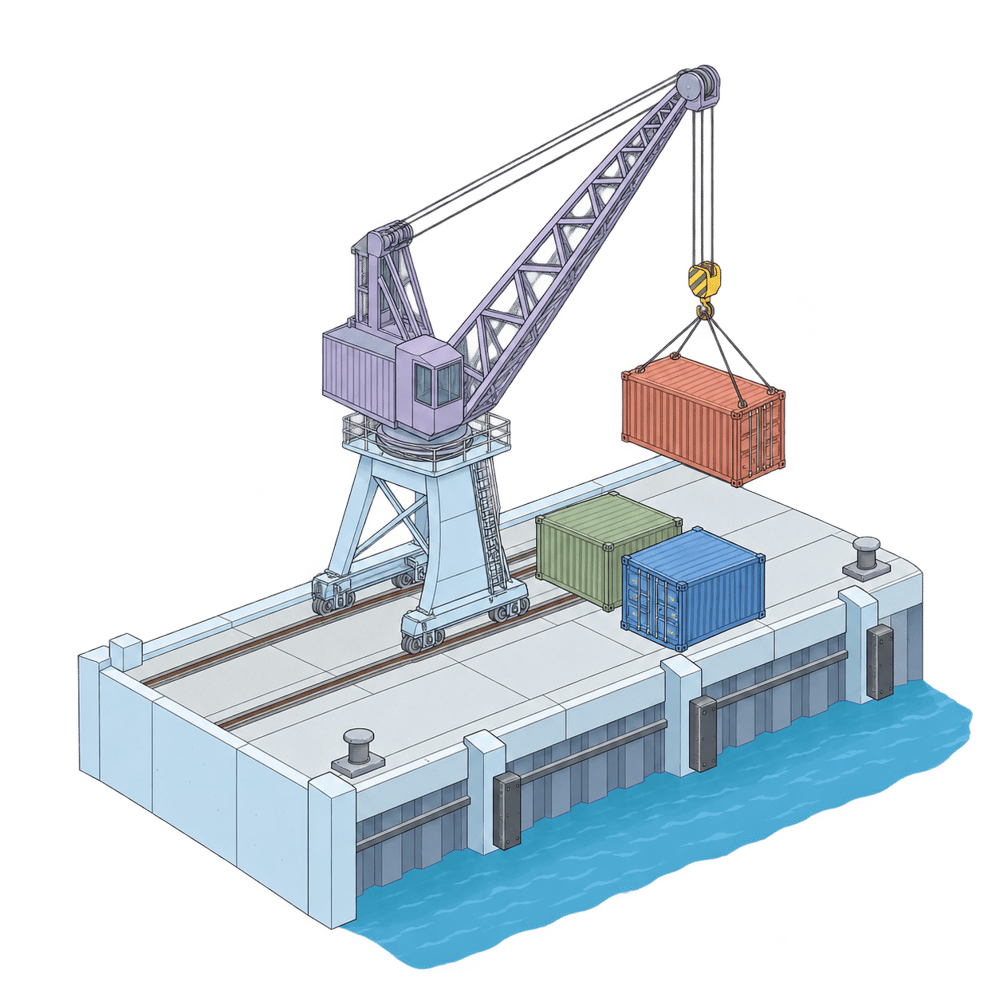
Ports and maritime
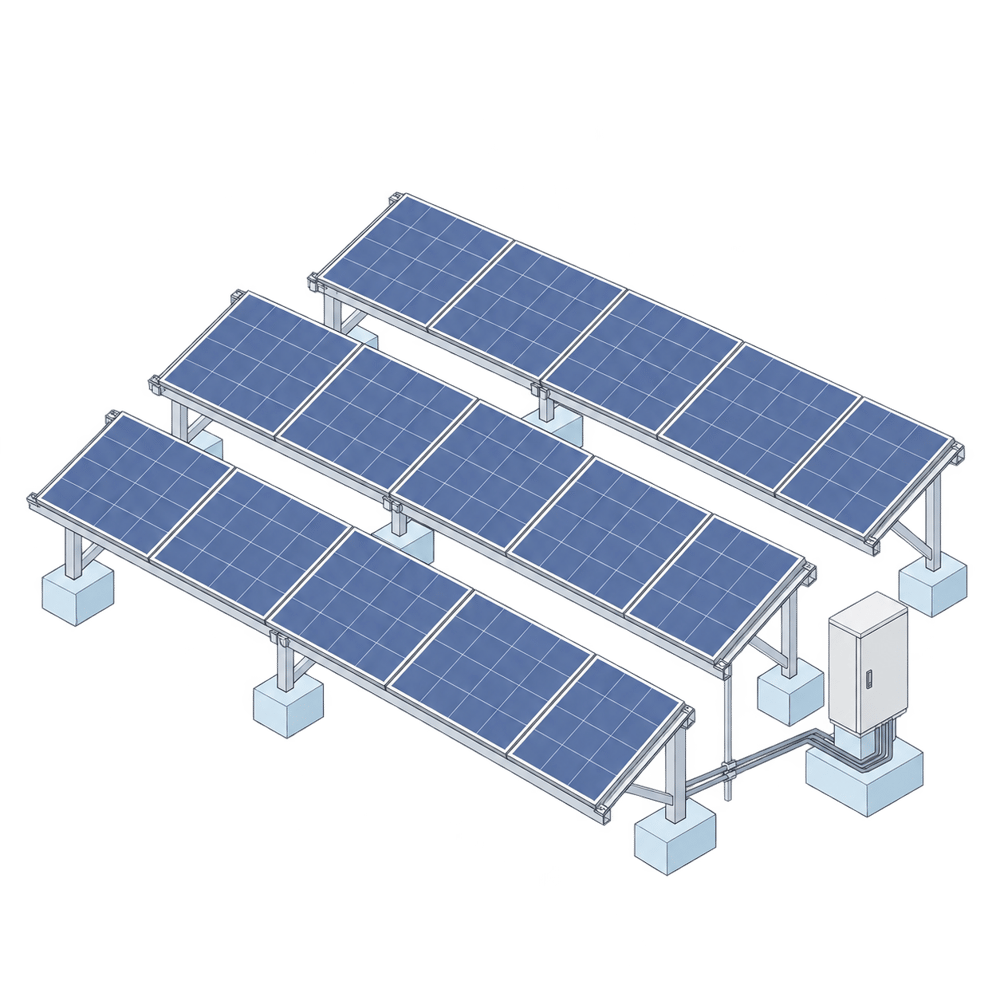
Energy and renewables
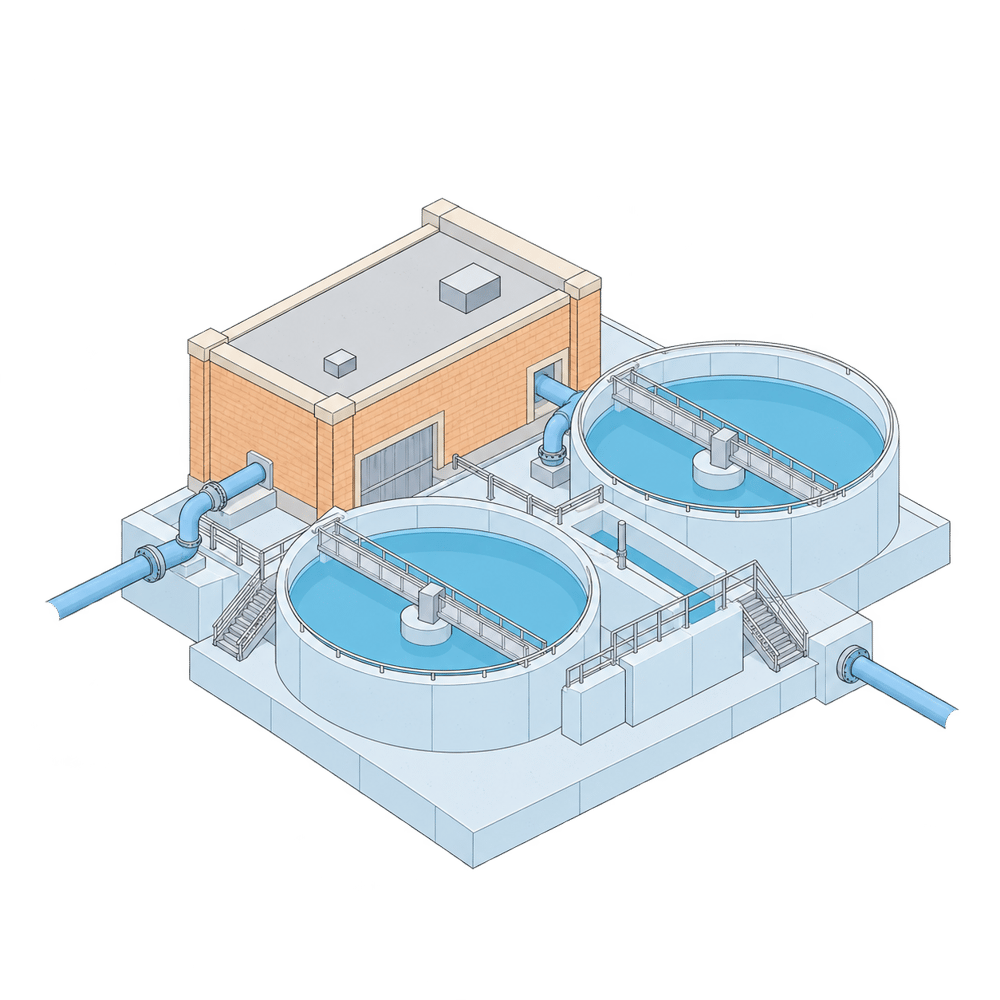
Water and wastewater

Flood and coastal defence

Digital and telecoms

Health

Education

Property and government estate

Justice and secure estates

Land and natural capital

Rivers and wetlands

Waste and circular economy

Community and culture
Also: critical national infrastructure, defence estates, housing, public realm, and networks and digital assets.
AI in asset management: are you getting left behind?
Artificial intelligence is already changing how asset owners inspect, maintain and invest in what they own. It can spot patterns in condition data that people miss, read years of records in seconds, and test options before money is spent.
But AI doesn't fix poor information. It learns from your asset register and asset information model, so it can only be as good as the information you give it. The organisations getting real value from AI started with trusted asset information.
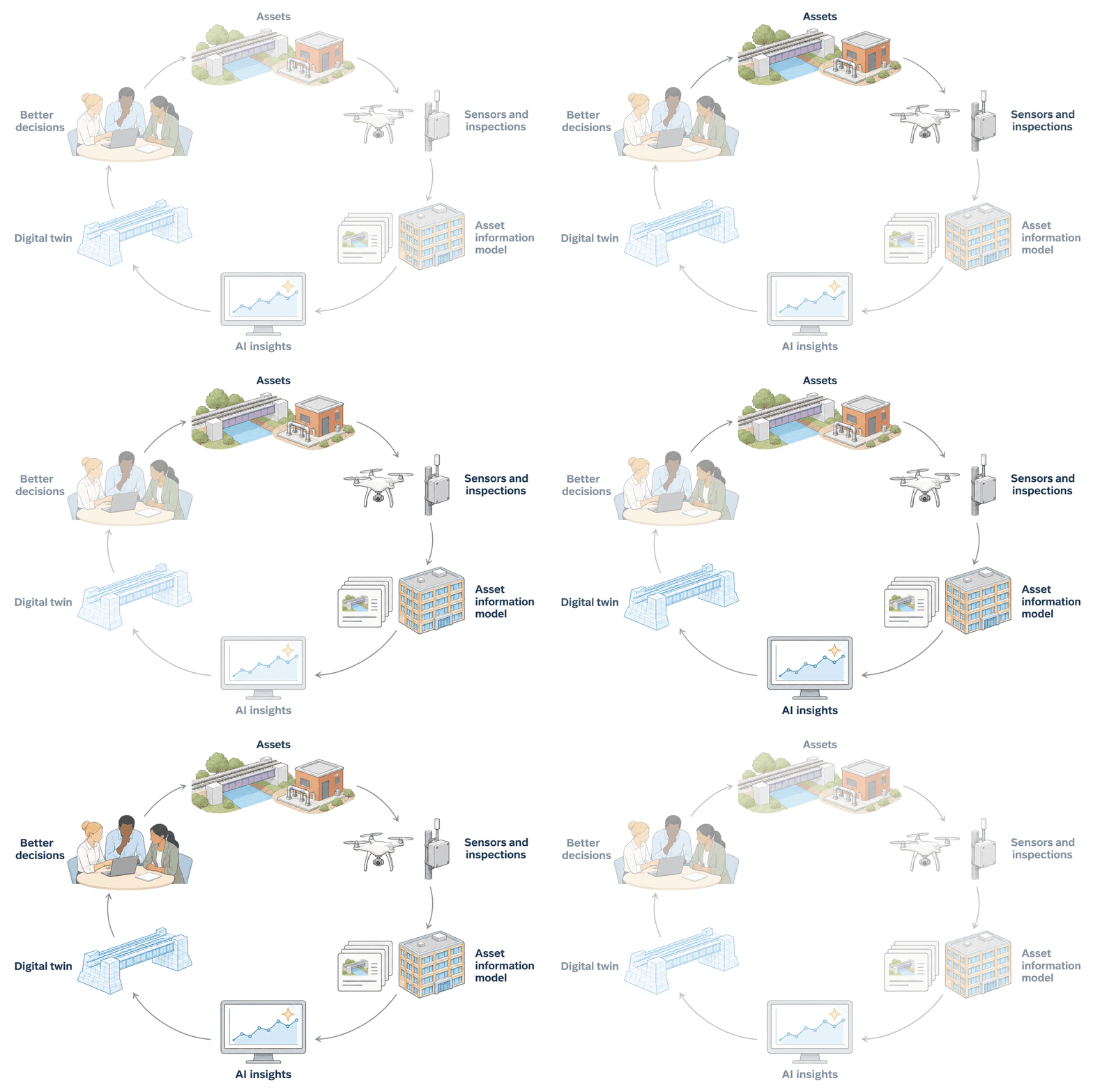
How AI is changing whole-life asset management
Across the asset life, from planning and acquisition to operation, renewal and disposal, AI is moving organisations from looking back to looking ahead.
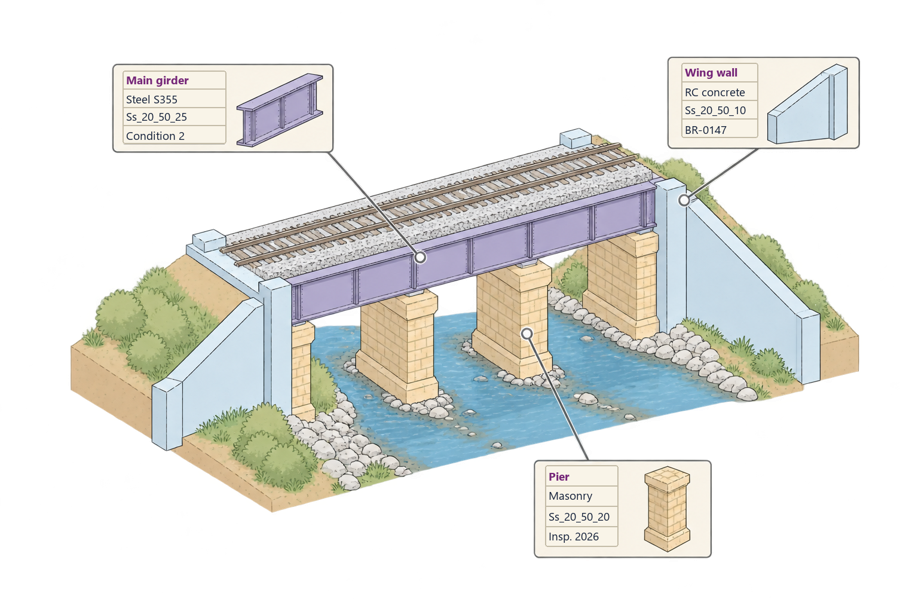
AI is only as good as the information it learns from
The asset information model (AIM), defined in the ISO 19650 series, holds the trusted data, documents and models about each asset in use. With a complete asset register, it tells AI what you own, where it is, what condition it's in, how critical it is and what has been done to it.
ISO 55000 treats information as an asset in its own right, and ISO 55013 gives guidance on managing data assets. If the register is incomplete or inconsistent, AI will learn the wrong lessons, faster.
- One trusted asset register, with a unique ID and location for every asset
- Consistent classification, condition and criticality
- History kept: inspections, defects, work done and costs
- Clear owners, quality checks and security for the information
Eight ways AI is helping asset owners today
None of these needs a moonshot. Each one starts with the information you already hold, and gets better as that information improves.
Predictive maintenance
Condition and sensor data reveal early signs of wear, so you repair before a failure interrupts the service.
Defect detection
AI reviews drone, CCTV and inspection images to flag cracks, corrosion and damage for an engineer to check.
Faster data capture
Assets are identified and classified from surveys, photos and scans, filling gaps in the register far faster than by hand.
Risk-based investment
Condition, criticality and cost are weighed across the portfolio, so the money goes where the risk is highest.
Answers from records
Ask a question in plain English and get an answer from drawings, manuals and reports, with the source shown.
Scenario testing
Test a budget cut, a flood or a change in demand in the digital twin, before you commit in the real world.
Energy and carbon
Find where energy is wasted and which changes cut carbon most, then track the result.
Smarter scheduling
Plan maintenance around risk, access, crews and outages, so fewer visits achieve more.
AI maturity in asset management
Most organisations are somewhere on the first three steps. Moving up depends less on new technology and more on the quality of your asset information and the people who use it.
Decisions rely on experience and spreadsheets. Asset data is scattered across teams and systems.
A few pilots or free tools, run by enthusiasts. Results are hard to repeat or trust.
One or two proven uses, such as defect detection, with an owner, a budget and measured benefits.
AI draws on a trusted asset register and information model, and its results feed back into them and the digital twin.
AI supports maintenance, renewal and investment decisions across the portfolio, under clear governance, with people accountable.
AI and asset management: a practical guide for asset owners
What's changing, why information comes first, eight practical use cases, the maturity ladder and a 10-point readiness checklist, in a short, plain-English guide.
Or start with the free Awareness Session.
Outcomes that matter
Managed well, assets create value for people, places and the planet
Keeping assets running isn't the goal; the value they deliver is. Strategic asset management connects your decisions to the outcomes that matter to stakeholders, and to the international frameworks the world uses to measure them.

The Six Capitals
A way of seeing every kind of value an organisation creates or draws down: natural, human, social, manufactured, financial and intellectual capital. Good asset management grows these capitals rather than depleting them.
UN Sustainable Development Goals
The 17 global goals agreed for 2030. Asset decisions shape many directly, including clean water, clean energy, resilient infrastructure, sustainable cities, responsible consumption and climate action.
ESG Targets
Environmental, Social and Governance commitments that boards, investors and regulators expect. Trusted asset information turns ESG ambition into measurable evidence.
The Sustainable Development Goals most shaped by asset management decisions


Sustainable Development Goal icons from the United Nations. The content of this page has not been approved by the United Nations and does not reflect the views of the United Nations or its officials or Member States.
The ISO 55000 series gives you the system to connect asset strategy to all three, and the trusted information to prove the outcomes.
Risk, resilience and climate adaptation
Resilience and adaptation are asset management decisions
Floods, heat and storms now test the infrastructure and public estate you're responsible for. The World Bank and the United Nations agree on the starting point: you can't protect what you can't see. That means trusted information on where your assets are, what condition they are in, how critical they are, and which services depend on them.
Strategic asset management turns that principle into practice: linking your asset register to hazard and location data, assessing climate vulnerability, impacts and risk, and building business continuity and adaptation planning into your SAMP and long-term investment plans, before a shock arrives, not after.

Security and resilience
Business continuity and infrastructure resilience
- ISO 22301:2019 — Business continuity management systems — Requirements
- ISO 22316:2017 — Organizational resilience — Principles and attributes
- ISO 22336:2024 — Organizational resilience — Guidelines for resilience policy and strategy
- ISO 22372:2025 — Community resilience — Guidelines for infrastructure resilience

Adaptation to climate change
Climate risk and adaptation planning
- ISO 14090:2019 — Adaptation to climate change — Principles, requirements and guidelines
- ISO 14091:2021 — Guidelines on vulnerability, impacts and risk assessment
- ISO 14092:2026 — Requirements and guidance on adaptation planning for local governments and communities
We connect these standards with the ISO 55000 series, so business continuity, resilience and climate adaptation are built into your asset management system, criticality assessment and investment plans, not managed as separate exercises.
4 priorities
The UN's Sendai Framework puts understanding disaster risk first, then governance, investment in resilience, and preparedness with building back better.
UNDRR, Sendai Framework 2015-2030
12 to 14 times
UNEP finds that climate adaptation needs in developing countries are many times larger than the international public finance now flowing to them.
UNEP, Adaptation Gap Report 2025
Figures are cited from the named UNDRR and UNEP publications. AssetEnable is independent of these organisations and the references do not imply endorsement.
International best practice
The ISO 55000 series: the global standard for asset management
The internationally recognised framework for managing assets across their whole life, from strategy and investment to operation, maintenance and renewal. Applied well, it helps you protect continuity, build resilience, improve sustainability and base whole-life decisions on asset information you can trust.
The complete family of standards. We help you apply every relevant part:
The foundation of the series: what asset management is, the key terms, and the principles behind it.
The core, certifiable standard. It sets the requirements for an effective asset management system.
Practical guidance on how to put the requirements of ISO 55001 into practice.
How to connect asset management with finance, so value and cost are managed together.
Guidance for governments on shaping public policy that enables good asset management.
Building the right roles, competence and culture to manage assets well.
Guidance on managing data as an asset: the backbone of digital asset management and digital twins.
An updated, expanded edition of the guidance on applying ISO 55001.
Emerging guidance on making better, evidence-based asset decisions.
How to build sustainability into the asset management system.
Our focus is the ISO 55000 series. We connect it with ISO 19650 (information management), ISO 41001 (facility management), ISO 22301 (business continuity) and ISO 14090 (climate adaptation), so your asset strategy, information, resilience and operational services stay joined up across the whole asset life.
We use the language of the ISO 55000 series, the GFMAM Asset Management Landscape and the IAM Anatomy, so our advice fits the frameworks your auditors, regulators and peers already use.
Digital twins · ISO/IEC 30173 · ISO/IEC 30186
Digital twins are the enabler. Strategy is the outcome.
A digital twin is only as good as the asset register and asset information model beneath it. BIM, the golden thread and connected asset data matter when they serve a clear asset management strategy, so we start with your objectives and make the technology earn its place.
- ISO/IEC 30173:2023, digital twin concepts and terminology, for a shared language across teams and suppliers
- ISO/IEC 30186:2025, the international digital twin maturity model: we often help organisations profile their digital twin maturity and plan the next level
- ISO/IEC 30188:2026, the digital twin reference architecture, alongside the ISO 19650 series for information management

Information management · ISO 19650 series
Secure, resilient asset information across the whole asset life
The ISO 19650 series sets out how to specify, deliver, maintain and protect information about buildings and infrastructure. It connects your organisational, asset and exchange information requirements to a trusted asset information model, so the register, the GIS and the digital twin all draw on the same governed information.
As physical assets become cyber-physical systems, information about them becomes a security risk as well as a resource. A security-minded approach under ISO 19650-5 protects sensitive asset information, so it supports resilience rather than undermining it.

ISO 19650-1:2018
Concepts and principles
The shared language and principles of information management for the built environment.
ISO 19650-2:2018
Delivery phase of assets
Managing information through projects, building up the project information model.
ISO 19650-3:2020
Operational phase of assets
Maintaining the asset information model in use, the natural partner to the ISO 55000 series.
ISO 19650-4:2022
Information exchange
Consistent, quality-assured exchange of information between parties.
ISO 19650-5:2020
Security-minded information management
Protecting sensitive information about assets, systems and people, essential for critical national infrastructure and cyber-physical systems.
ISO 19650-6:2025
Health and safety information
Sharing structured health and safety information throughout project and asset life cycles.
The AssetEnable ARIADNE Programme™
In the Greek myth, Ariadne gave Theseus a thread to find his way through the labyrinth and back. The ARIADNE Programme is that thread for your organisation: a clear line of sight from your objectives, through the complexity, to every asset. Three stages on the ENABLE Pathway: find the thread, follow it, lead the way. Published prices and a clear scope; buy online by card, or ask us for an invoice. Every plan can also be delivered in-house for your team.
Certified to ISO 55001:2014? Certified organisations must move to the 2024 edition by 31 July 2027 (UKAS transition arrangements). The Health Check shows you what that means for you.
 STAGE 1: FIND THE THREAD
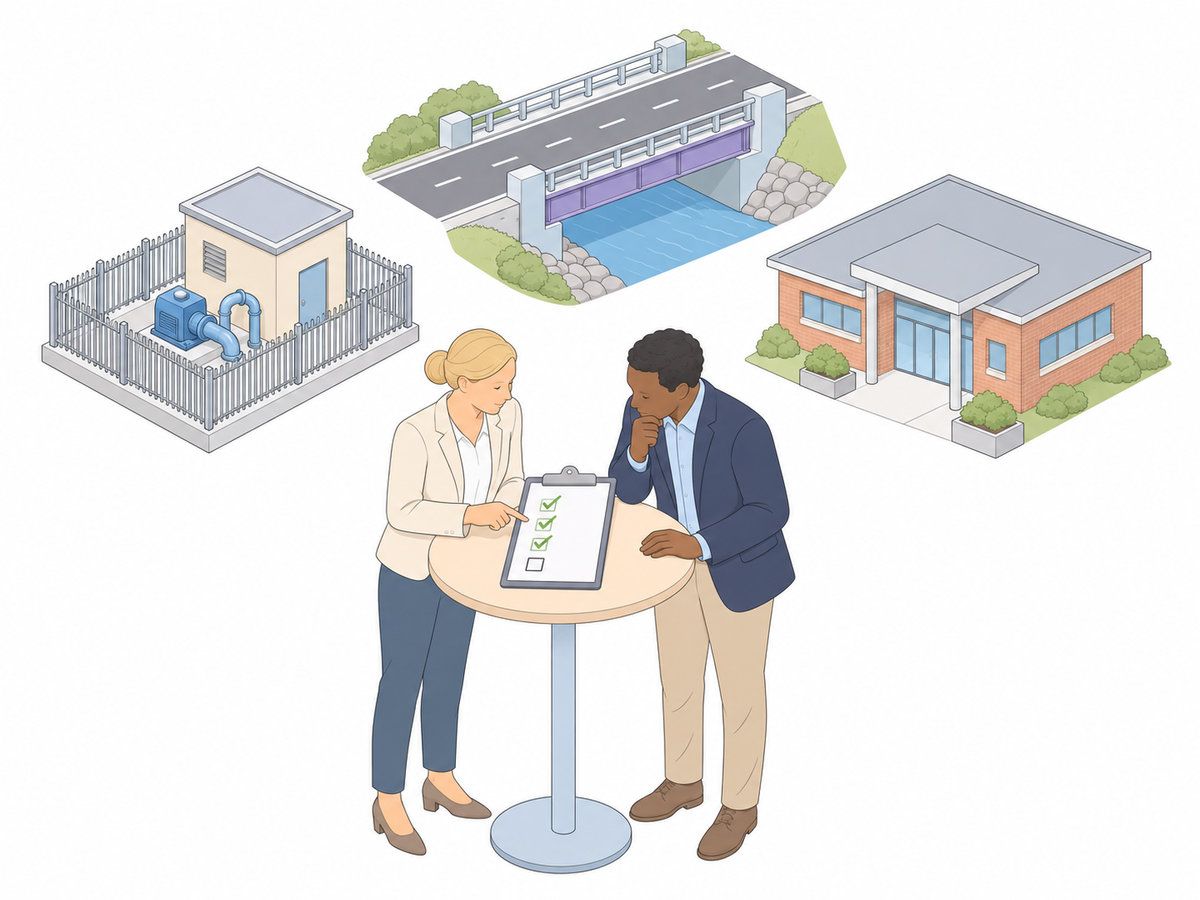
ISO 55001:2024 Asset Management Health Check
ENABLE stage 2: Navigate
£4,950 one-off, plus VAT
In 15 working days: where you stand against ISO 55001:2024, what to fix first, and a 90-day plan to do it.
- A remote maturity baseline against ISO 55001:2024 and the 40 subjects of the GFMAM Asset Management Landscape
- The areas new or changed in the 2024 edition: decision-making, the SAMP, knowledge and climate
- A scored report
- A prioritised 90-day roadmap
Clear scope, fixed price, plus VAT.
Buy now STAGE 2: FOLLOW THE THREAD
Strategic Asset Management On Call
ENABLE stages 3 and 4: Assemble and Blueprint
£2,950 a month, plus VAT
A senior strategic asset management expert on call every month, so your policy, SAMP and asset information keep moving forward.
- 3 days (22 hours) a month of senior support
- Asset management policy and objectives
- Drafting your Strategic Asset Management Plan (SAMP)
- Asset register and data standards
Clear scope, fixed price, plus VAT.
Buy now STAGE 3: LEAD THE WAY
Fractional Head of Strategic Asset Management
All six ENABLE stages
£7,950 a month, plus VAT
A senior head of strategic asset management on your team, without a full-time hire.
- Up to 5 days a month
- Your SAMP and investment cases based on lifecycle value
- Board and executive advisory
- ISO 55001:2024 certification readiness
Clear scope, fixed price, plus VAT.
Buy nowPrices exclude VAT. UK customers pay VAT at 20%. Need something larger? See our bespoke programmes, or talk to us.
Asset management courses
Three courses to build asset management competence
Structured around the ISO 55000 series and the GFMAM Asset Management Landscape, from first awareness, to a clear roadmap, to embedding lasting change. Choose the course that fits where your team is today. Every course can also be delivered in-house for your team.
Course 01
Awareness
Understand the ISO 55000 series, the asset management system and what strategic asset management means for your organisation.
From £495
per person
- Self-paced ISO 55000 foundations course
- Module guides, glossary and assessments
- Certificate of completion
- 3 months community access
Course 02 · Most popular
Roadmap
Build your organisation's practical roadmap to apply the standards, develop a SAMP and lift asset management maturity.
From £1,195
per person
- Everything in Awareness, plus:
- Implementation toolkit and templates
- A prioritised application roadmap
- Asset management maturity assessment
- 12 months community access
Course 03
Embedding Lasting Change
Embed strategic asset management capability across your organisation so the change endures.
From £5,950
per cohort
- Everything in Roadmap, plus:
- Tailored in-house delivery
- 12 months advisory support
- Monthly group coaching sessions
- Competence framework (ISO 55012)
Volume discounts for teams and organisation-wide roll-out.
The more seats you take, the lower the price per person. Ask us about enterprise and whole-of-government licensing.
Bespoke programmes
Bespoke programmes for larger change
From a focused start to full transformation. We've delivered strategic asset management and ISO 19650 information management for whole-of-government departments, critical national infrastructure and major asset owners. Every programme can also be delivered in-house for your team.

Essentials programme
For single teams and smaller organisations getting started.
From £15,000
- Standards awareness and diagnostic
- Gap assessment against ISO 55001 and the GFMAM Landscape
- A strategic asset management roadmap
- SAMP starter and clear next steps

Acceleration programme
For departments and larger authorities scaling up.
From £75,000
- Everything in Essentials, plus:
- Full SAMP and long-term investment plan
- Criticality assessment and asset management data and information strategy
- Competence uplift (ISO 55012)
- 6 to 12 months embedding support

Transformation programme
For large organisations, national mission-critical infrastructure and whole-of-government.
From £500,000
- ISO 55000 and ISO 19650 principles embedded at scale
- Resilience and climate adaptation built into the SAMP
- A virtually embedded team of up to 12 advisors
- Your fractional Head of Strategic Asset Management
- Multi-year programme and whole-life decision-making frameworks
- Board and executive advisory
Every engagement is tailored. Figures are indicative starting points. Talk to us about scope, volume and whole-of-government licensing.
Free Awareness Session · 60 minutes
Start with the free Awareness Session
The ISO 55000 series and strategic asset management, live on Thursday 19 November at 9:30am or 3:30pm London, with the recording for every registrant.
- Part 1: Asset management and value
- Part 2: From objectives to a SAMP
- Part 3: Asset information and data-led decisions
- Part 4: Your next steps and live Q&A
We understand the client side, because we started there
Our origins are in end-client organisations that own and operate assets. We know what it's like to set the requirements, live with the results and answer for the outcomes. Today we work across the full supply chain: clients, designers, contractors, operators and their technology partners.
That means we can offer strategic leadership as well as expertise: guiding your leadership team, mentoring your sponsors and information leads, and staying alongside you until the change is owned by your own people.
How we lead and mentor
- Strategic leadership for information and asset management programmes
- Mentoring for senior sponsors and information, GIS and asset leads
- An honest view from people who have sat on the client side
- Support across the whole supply chain, from requirements to operation
Competent people make asset management work
Standards and systems only deliver value when competent professionals apply them. Awareness training gives everyone a shared starting point; competence is built and demonstrated over time.
Competence
An individual's proven ability to apply knowledge and skills, shown with evidence.
Capability
What your organisation can do: competent people, clear processes and enabling technologies working together.
Capacity
Having enough of that capability, when and where you need it.
Training delivered with and for leading organisations
We have designed and delivered training with professional bodies, standards organisations and technology partners, and for many private organisations, central government and international institutions.






Contact us
Talk to us about courses and support services
Tell us about your organisation, your assets and what you'd like to achieve. An advisor will reply within two working days.
Looking for the free Awareness Session instead? Book your place here.

AssetEnable is part of the GeoEnable Group. The GeoEnable Group are BSI Associate Consultants, advising on ISO 55001, the wider ISO 55000 series and ISO 19650.
© 2026 AssetEnable · GeoEnable Group

Part of the GeoEnable Group | All Rights Reserved © 2026 | United Kingdom